


One of the amazing parts of the dairy operation is that there is a milking robot. "The cow wears a transponder on her neck, and that tells the robot which cow it is, and how much milk she's supposed to give," Brett Beavers said. The cow steps onto a Milking Machine, and wants to go there because there are pellets to eat.
As the cow eats the pellets, the robotic arm of the milking machine uses lasers to find the coordinates of the teats. A brush comes in to brush each quarter with a disinfectant, and the lasers help attach the teat cups to the cow for milking. Once the milking is done the, the milking cups come off automatically, and when it's done the machine records how much milk she gave.
There are other advantages for the cows to be milked by a milking robot. "With the transponders that the cows wear, it monitors the activity, so it knows if a cow has taken a lot of steps or if she hasn't," Brett said. That helps producers to quickly know if the cow needs help, or if the cow is not feeling well. It's a much quicker way to pick up any illnesses. "The amount of information that these robots are collecting is staggering," Brett said.
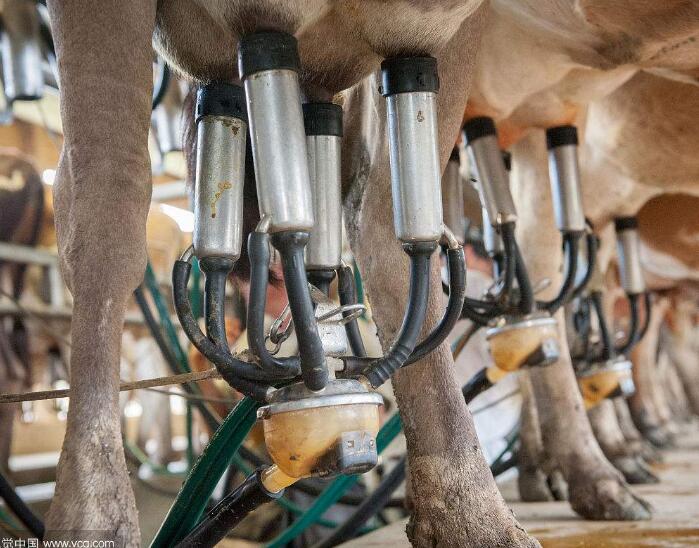
Brett Beavers says the robotic dairy makes life better for the cows. He says they are able to do what they want, and they can get milked up to six times a day, which can sometimes relieve pressure on the cow. He also says feed can be programmed better for the cows. Brett says this is the future of milking in the United States Milking Machine.
